SCENARIOS is a 4-year H2020 Research and Innovation project (RIA) involving 19 partners from 10 European countries and Israel. The goal is to close the knowledge gap and achieve breakthrough TRL advances in the toxicology, detection and remediation of probably the most objectionable and widespread class of contaminants -Per- and polyFluoroAlkyl Substances, PFAS-, with an unprecedented energetic balance and virtually no external chemical additives. A major effort is underway to develop Integrated Approaches to Testing and Assessment (IATA) of PFAS, including the new generation of congeners, to assist EC and EU countries in decision-making on these substances for environmental safety and human health.
Services

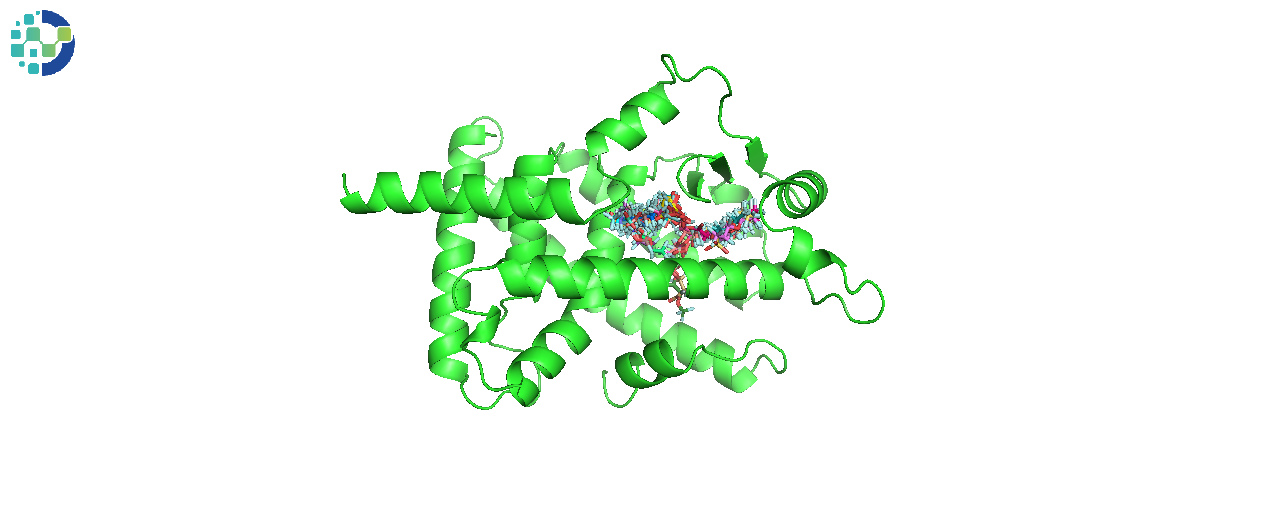
Enhanced binding affinity prediction of small molecules to PPARγ

A robust deep learning model for the classification of a molecule as either a 'Strong' or 'Weak' binder, based on the binding affinity to the PPARγ homo sapiens structure.

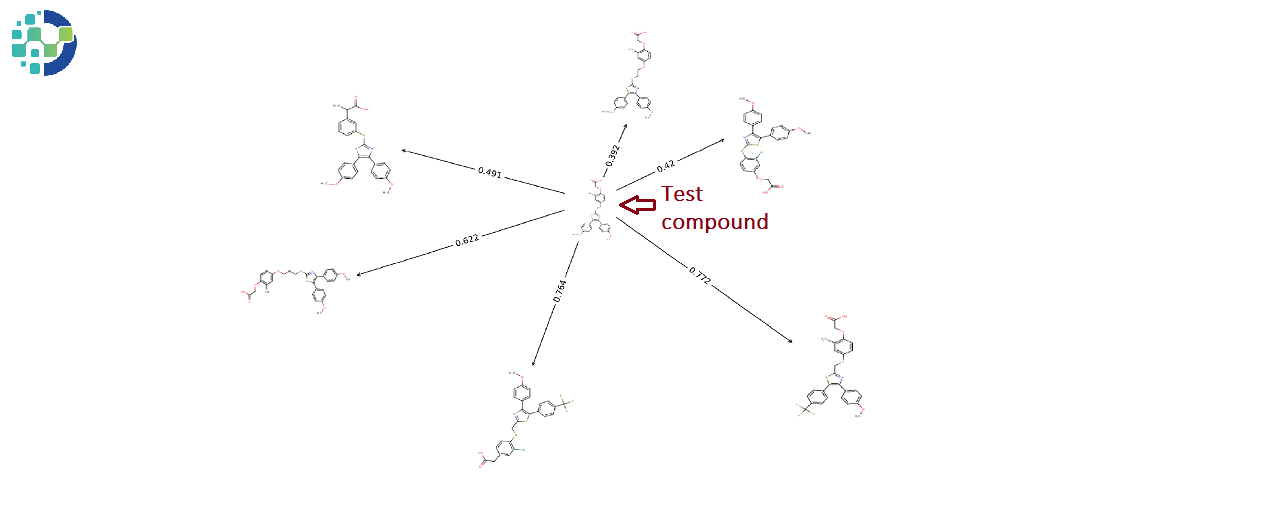
Read-across model for predicting the biological potency of novel PPARδ agonists

A read-across model for the prediction of the biological potency of novel peroxisome proliferator-activated receptor delta (PPARδ) agonists in human 293T cells co-transfected with Gal4-DBD using the luciferase transactivation process.

Predicting PPARγ cytotoxicity of compounds through a synergistic consensus model

A synergistic consensus model for the prediction of small molecule cytotoxicity to PPARγ. The model is specifically designed for per- and polyfluoroalkyl substances (PFAS).

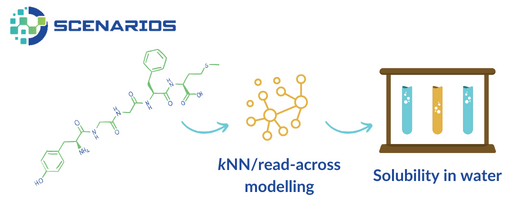
Read-across model for the prediction of the molecules' water solubility property (logS)

This web-tool permits users to predict the compounds' (log-transformed) water solubility value based on their molecular structure.

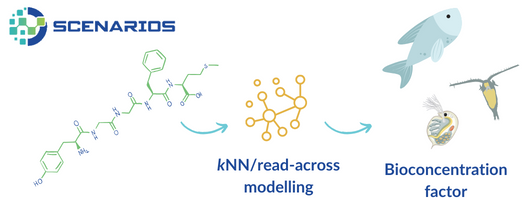
Read-across model for the prediction of molecules' bioconcentraiton factor (LogBCF)

This web-tool permits users to predict the molecules BCF value, a measure of the potential of a chemical to accumulate in the tissues of living organisms (particularly fish and other aquatic organisms).

EU Flag

This project has received funding from the European Union’s H2020 programme under grant agreement nº 101037509. More information at:

More information at: scenarios-project.eu